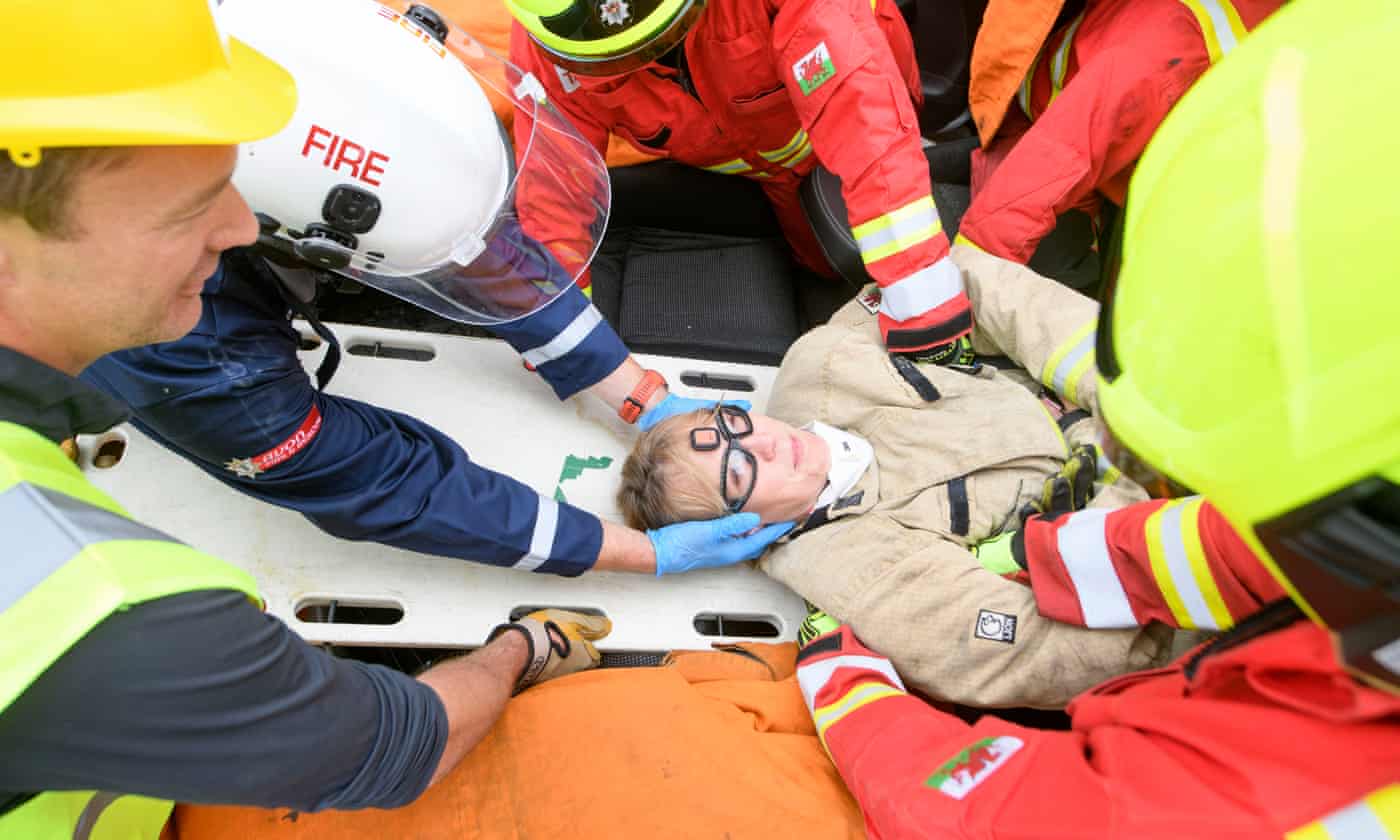
Pain is one of the most common symptom in emergency and severe care, yet it is the one clients most fear will be ignored. A trained nurse can transform the first hour of a person's experience from rising distress to soothe, safe relief. The PUAEME008 Give Discomfort Monitoring system sits at that point of requirement. It builds the functional skills to deliver analgesia in prehospital and acute setups, within rigorous procedures that keep patients safe. For several registered nurses, particularly those moving right into emergency situation, access, prehospital, or remote practice, PUAEME008 is the entrance to evidence-based, responsible analgesia.
This overview maps the pathway, discusses what PUAEME008 involves, and shows how to integrate it with more comprehensive pain management training courses for registered nurses, physiotherapists, and various other clinicians. It draws on the untidy reality of shift job, insufficient histories, and the stress to soothe suffering without forgeting risk.
Where PUAEME008 Suits the Pain Management Picture
PUAEME008 Give Pain Monitoring is a competency-based unit used extensively in Australian prehospital and emergency contexts. While frameworks vary across territories, the core goal corresponds: outfit clinicians to assess discomfort rapidly, pick an ideal approach, provide analgesia within their range, and monitor the person's feedback. The unit usually covers breathed in methoxyflurane, intranasal fentanyl, intravenous fentanyl or morphine, ketamine for analgesia, and adjunctive non-pharmacological methods, all delivered under service guidelines and medical governance.
A nurse with a discomfort administration certification from a general course might have solid academic grounding in neuropathic pain, multimodal programs, and interaction methods. PUAEME008 includes the operational spine: real-time analysis, legal and medicinal guardrails, titration in dynamic settings, and sharp focus to wear and tear. If you service the road, in an emergency situation division, in an occasion medical team, or in rural method where access times are long, that ability is not optional.
What the Device Really Teaches
Courses that map to PUAEME008 vary in layout, yet there are common threads. Expect careful instruction in patient analysis and threat stratification. You will exercise the short, efficient discomfort evaluation that still catches red flags: recent anticoagulant use, head injury, airway concession, modified mental condition, and thought sepsis. You will certainly find out to map a pain score to a treatment plan, not as a number to chase after but as a hint for dose selection and review timelines.
Pharmacology has a pragmatic focus. You will certainly take another look at fentanyl and morphine with attention to context: fentanyl's fast beginning and upper body wall rigidness threat with big, rapid doses; morphine's histamine launch in hypotensive individuals; ketamine's role when opioids are dangerous or insufficient, and exactly how to preempt emergence responses with low-dose benzodiazepines if your procedure allows. Breathed in methoxyflurane, commonly the fastest-start choice in the area, obtains comprehensive protection on contraindications, particularly kidney impairment and repeated dosing.
Non-drug methods are not afterthoughts. Splinting, positioning, ice or warmth, psychological emergency treatment, and training in slow breathing can decrease the total medication problem. Good instructors show how to layer these actions, not set them aside when a vial comes out.
Finally, there is administration. PUAEME008 needs clear responsibility: comply with methods, record rationale, escalate when outside scope, and turn over cleanly. You must expect scenario-based evaluation with time pressure, a brief run of crucial indicators that wear away deliberately, and an opportunity to make the phone call to stop, reassess, and seek support.
What Proficiency Appears like on a Shift
I think of one shift with two people 12 minutes apart. The initial, a middle-aged roofing contractor that had fallen from a ladder. He was guarding his left flank, tachycardic, borderline hypotensive. Methoxyflurane offered a bridge while we protected lines and prepared him for imaging. His pain score fell from 9 to 6, sufficient to soothe his breathing and permit much better evaluation. We kept morphine till we verified his pressure was secure after liquids. The second was an adolescent netball player with an ankle injury and high anxiety. No head injury, no warnings, but breathing rapid and shaking. There, guideline, immobilization, elevation, and a determined dose of intranasal fentanyl obtained her from a spiraling panic to a workable 5 out of 10. Two different discussions, 2 different services, exact same principles.
Competence displays in the speed. You will not fire off a medicine the moment somebody claims 10 out of 10. You will look for contraindications in 6 or 7 seconds, select a course that fits the circumstance, and titrate with intent. After years in intense care, my general rule is simple: the cleaner the assessment, the smoother the analgesia. PUAEME008 offers you the list that makes that possible under pressure.
Choosing a Supplier for the PUAEME008 Give Pain Management Pathway
Quality differs. Look for a company that backs theory with hands-on technique, not simply a multiple-choice test. In high-value courses, you will go through simulation with manikins or live role-play, compose medicine ladders from memory, and receive feedback on voice, speed, and documents. Trainers who still exercise scientifically bring lived circumstances and the subtle hints you need: the skin indicators that mean occult shock, the way an overwhelmed individual reacts to ketamine, or the postponed nausea or vomiting pattern after morphine.
If the training course promises magic or one-size-fits-all responses, move on. Pain monitoring training has plenty of compromises. Excellent programs teach those trade-offs and show how to choose.
The Legal and Administration Backbone
Pain monitoring programs for nurses sit inside a web of regulations, timetables, and local medication authorities. PUAEME008 does not change those regulations, it operationalizes them. You will work within professional method standards and standing orders. You will see how a discomfort administration certification course can be a requirement to bring and administer specific agents under service policy, but it rarely provides an universal certificate. Even with a discomfort monitoring accreditation training course finished, your extent is specified by your employer, your registration, and regional legislation.
Documentation becomes part of the treatment. Most of the times, you will tape standard vital indicators, discomfort rating, medication, path, dosage, time, result at fixed periods, and any negative events or treatments. A clear handover compresses that story into 30 secs: device, key findings, activity taken, action, recurring worries. In retrieval work, that economic situation can be the difference in between an orderly transfer and an untidy overlap where puaeme008 no one makes sure what was given.
Pharmacology With Real-World Edges
Every analgesic you lug has a best-case and a trap.
Fentanyl intranasal is exceptional when IV accessibility is postponed, especially with fractures or burns. Watch advancing dosing and respiratory price in people with simultaneous sedatives or alcohol use. Morphine continues to be dependable for natural discomfort, yet in hypovolemia, it can tip a borderline blood pressure. Ketamine is a gift for severe stressful pain when opioids are contraindicated, yet established assumptions: individuals might describe odd visions or feel separated. A calm voice and consistent visibility prevent lots of dysphoric responses. Methoxyflurane acts quick, travels light, and assists during extrication. Maintain a mental tally of exposure limits, particularly for repeat individuals in remote areas.
Non-opioids matter. Paracetamol and NSAIDs are not attractive, however they minimize the opioid ceiling. If your procedure permits, IV paracetamol is an excellent accessory for modest pain where opioids would be excessive. In kidney illness or risk of blood loss, you will avoid NSAIDs. That judgment telephone call, made quickly and clarified clearly, makes patient trust.
Pain Management Educating for Nurses Beyond the Unit
PUAEME008 is a solid beginning point. Many nurses add short training courses suffering administration concentrated on details populations: pediatric pain, older grownups with ecstasy threat, or trauma take care of remote technique. The most effective pain monitoring training courses educate multi-modal care: pharmacology, psychology, and physical strategies with each other. They fold up in equity considerations: language barriers, cultural expectations, and skepticism based on previous unfavorable experiences.
A certification course suffering monitoring from a college or specialist body can sustain broader functions, such as discomfort liaison in a medical ward or instructor in an emergency division. If your profession is drifting towards advanced practice, a pain monitoring certification can map into postgraduate credit reports. Ask about expression pathways prior to you enlist. By doing this, your investment in a discomfort administration certificate comes to be a step on a longer track.
For Physiotherapists and Interdisciplinary Teams
Pain administration courses for physiotherapists take a different angle, however the crossway with PUAEME008 matters. In intricate musculoskeletal discomfort or post-operative rehabilitation, nurses and physios are commonly the clinicians spending the most time at the bedside. Shared language reduces rubbing. A physio that recognizes the start and peak of intranasal fentanyl can plan mobilization windows. A registered nurse who values rated direct exposure and pacing can line up development analgesia with healing turning points, not just the clock.
In organizations that motivate it, joint workshops settle. A morning of common simulation produces an usual rhythm, and individuals profit. If your service can organize interdisciplinary pain administration training, promote it. The payback appears in less annoyed handovers and better functional outcomes.
Emergency Pain Administration: The Fast Lane
Emergency discomfort administration is not attractive, it is disciplined. The quick win is not always the right win. You may deal with a loud area, member of the family discussing each various other, and a patient that offers you three various numbers for discomfort. You begin with air passage and perfusion as always, after that secure your selections on threat and reversibility. An individual with rib fractures and a history of COPD could gain from regional anesthesia in a well-resourced ED, but in prehospital care you might stabilize with non-invasive procedures, titrated opioids, and tight surveillance. If you carry ketamine, you have an additional path to analgesia that spares breathing drive.
In pediatric emergencies, dosage estimation and distribution course matter greater than blowing. A scared youngster will not hold a mouthpiece for methoxyflurane correctly. Intranasal routes and disturbance methods win the day. I have enjoyed a younger nurse change a scene pain management certificate by kneeling to the kid's eye degree and explaining each action, after that letting the youngster choose which nostril to utilize. The dosage did its work since the shipment was humane.
Choosing the Right Pain Administration Program Mix
One system can refrain whatever. Think of setting, scope, and the people you see most often. If you deal with road ambulances or in retrieval assistance, PUAEME008 provide discomfort administration offers you a useful scaffold. If you get on an orthopedic ward, a pain administration qualification program that stresses multimodal care, opioid stewardship, and very early mobilization may pay bigger dividends. In health care or rural settings, short programs suffering administration that cover chronic discomfort, tapering strategies, and quick cognitive interventions can lower ED presentations downstream.

A good plan areas PUAEME008 together with a more comprehensive pain administration program. The previous builds intense action abilities. The last expands your restorative scheme and keeps you from over-relying on any kind of single medicine. In time, you can include targeted modules such as regional anesthesia for registered nurses where local plan permits, or trauma-informed interaction training, which influences analgesia uptake greater than the majority of realize.
Assessment, Reassessment, and the Art of Titration
Numbers aid but never inform the entire tale. A patient who reports eight out of ten yet works out, smiles, and relocates extra easily after a little dose is possibly on the appropriate trajectory. A person who reports four but remains stiff, perspiring, and tachycardic is not. PUAEME008 implements review intervals for a reason. The two-minute check after intranasal fentanyl and the five-minute check after IV morphine are not simple paperwork. They are safety nets.

Titration is also regarding insight. If an ambulance adventure is 45 mins and you are currently at the top end of opioid dosing, consider a ketamine infusion if allowed by your procedure, or layer non-pharmacological strategies to extend convenience without compounding sedation danger. That is the thinking PUAEME008 attempts to infuse: look 15 minutes ahead, not just five.
Safety, Damage, and When to Stop
Every medical professional bears in mind the first individual who went quieter than anticipated. You will discover the pattern: a peaceful time-out that is too deep, shallow breaths, a pulse oximeter that glides down a couple of points. That is the minute to stop, boost, use air passage support, and intensify. Reversal representatives exist for opioids, but they are not a certificate to push limits. Your ideal safety tools are weight-based dose checks, step-by-step titration, and transparent team effort where any individual can state, let's hold and reassess.
For ketamine, emergence ecstasy is the common problem, particularly in anxious people or when the environment is disorderly. Early prevention approaches include a calmness, dimmer room when possible, a steady, comforting voice, and, when accredited, a small benzodiazepine dose. If high blood pressure or tachycardia becomes obvious, you reassess the equilibrium of benefit and threat. Paper whatever, consisting of the option to hold treatment. Good governance respects judgment calls.
Evidence, Not Dogma
You want courses that cite existing standards, not stories alone. Discomfort scientific research develops. The pendulum has turned from opioid reduction at all costs to a more nuanced sight: opioids are effective when used sensibly, combined with non-opioid representatives, and embedded in a plan that favors feature over overall feeling numb. A strong discomfort monitoring certificate or discomfort administration accreditation course will instruct deprescribing pathways for chronic usage, while PUAEME008 maintains you competent at severe, time-critical care. Both matter.
When evaluating service providers, ask about case mix in simulation, update regularity obviously materials, and how they deal with unique populaces such as pregnancy, renal impairment, or older grownups with polypharmacy. If they can not respond to, your knowing may be embeded last decade's dogma.
Building Self-confidence: Practice, Debrief, Repeat
Confidence expands in cycles. Technique in simulation, apply on shift, debrief with peers, and fold lessons back into the next case. Maintain individual notes: dose varies that job well for details injuries, tricks to stable a worried client, phrases that develop consent under pressure. Share those notes. In our department, a standing 20-minute debrief each Friday fixed extra repeating troubles than any kind of official policy.
If you are new to analgesia shipment, start with a slim playbook backed by PUAEME008: quick analysis, 2 or 3 first-line options, and a clear escalation course. Add intricacy only as your pattern acknowledgment enhances. Clients feel the difference between a medical professional that flails and one who relocates with intent.
How Employers View the Credential
From an employer's point of view, a registered nurse who has completed PUAEME008 provide pain management is a lot more deployable in acute roles. It reduces orientation time, reduces medication error risk, and sustains consistent person experience. Incorporate it with a discomfort monitoring certificate program that covers multimodal techniques and you come to be a best medical professional for complicated discomfort cases on the flooring. For management duties, a pain monitoring accreditation signals dedication to stewardship and education, qualities supervisors reward when developing methods or dealing with opioid-related quality projects.
If you are angling for a brand-new setting, include concrete end results on your curriculum vitae: reduced time to first analgesia in triage by a quantifiable portion, or participation in a pilot that presented intranasal fentanyl for pediatric fractures with positive individual fulfillment ratings. Credentials open doors, results maintain them open.
What a Training Day Feels Like
Expect an early morning of pharmacology and administration, not as dry address however with case vignettes. After lunch, situation rotations. You could take care of an elderly loss with presumed hip fracture, an automobile crash with jeopardized breathing, and a sickle cell dilemma. Each circumstance forces an option: which representative, which path, what beginning dosage, how to reassess. Good facilitators interleave complications: a sudden decrease in saturation, a misdrawn dose you capture in time, or a relative who challenges your strategy. The day ends with a debrief that links micro-decisions to outcomes.
You will certainly be tired in properly, the way that comes from choosing, not simply listening to slides.
Bringing Everything Together
The pathway works best as a sequence rather than a solitary occasion. Begin with PUAEME008 to support emergency situation discomfort management. Add a pain management program that widens your toolkit, then take another look at with refresher courses every 12 to 24 months. Slip in targeted short programs hurting administration when your function modifications or when your department adopts new procedures. Keep a personal formulary card. Technique handovers out loud. Educate juniors, due to the fact that mentor is how you will certainly see spaces in your own understanding.
The goal is not to chase a wall of certifications. The goal is to walk into a space where discomfort is the headline and lead a response that is quickly, humane, and safe.
Quick Choice Guide
- If your function involves field response or ED triage, focus on PUAEME008 Offer Pain Management initially, then add a multimodal discomfort administration certificate course within 6 months. If you work mainly in inpatient medical or orthopedic wards, choose a pain administration accreditation program that emphasizes opioid stewardship, functional goals, and very early mobilization, then include PUAEME008 if your range consists of acute analgesia initiation. For country and remote technique, set PUAEME008 with short courses in pain management for persistent conditions and telehealth-supported protocols. Physiotherapists need to look for discomfort administration courses for physio therapists with components on pharmacology timing and interaction, and partner with nursing associates that hold PUAEME008 for straightened care windows. Educators and arising leaders benefit from a certification training course in pain administration that includes audit, metrics, and policy style, layered on top of PUAEME008 for reliability in severe settings.
Final Thoughts for the Operating Clinician
On a hectic change, excellence is not the target. Clarity is. PUAEME008 uses a clear scaffold, a means to relocate from analysis to action without missing steps. Combine it with more comprehensive discomfort management training for registered nurses and you will not only ease discomfort faster, you will do it with fewer surprises. The craft stays in the little selections: the path you pick, the added moment you invest explaining what an individual will certainly really feel, the second check prior to a dosage, the steady voice throughout a ketamine swirl.
Patients rarely remember medication names. They keep in mind the person that made the worst hour of their day acceptable. That is the criterion this path intends to help you meet.